AC Drive (VFD): Everything You Need to Know
What is an AC Drive (VFD)?
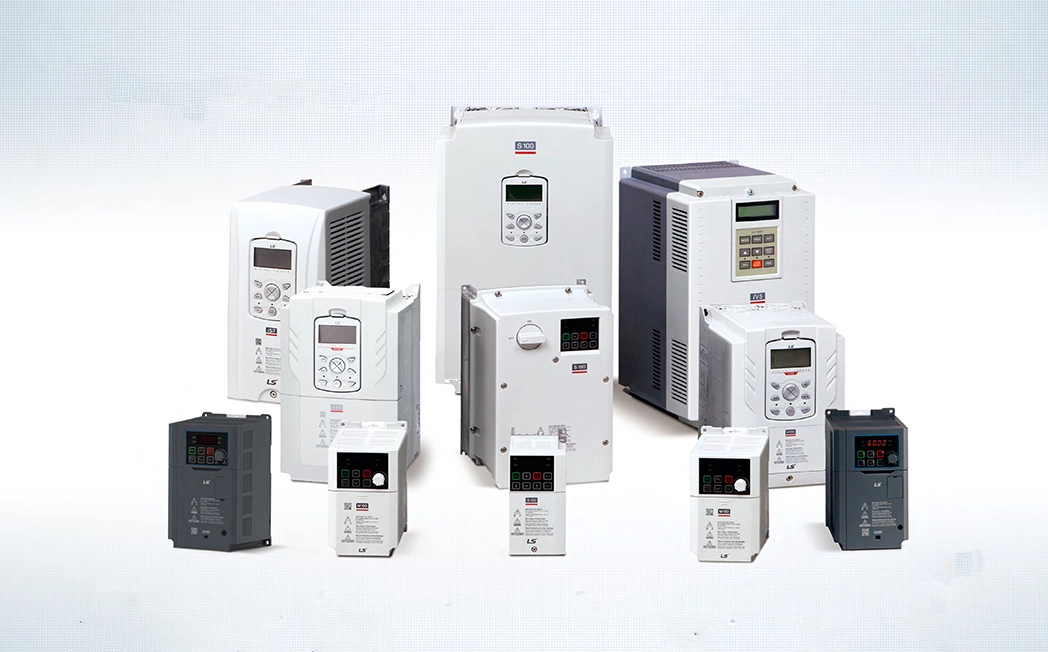
An AC Drive, also known as a Variable Frequency Drive (VFD), Frequency Inverter, or Variable Speed Drive (VSD), is an electronic device designed to control the speed, torque, and direction of AC electric motors by adjusting the frequency and voltage supplied to the motor.
AC Drives are a key component in modern industrial automation systems, helping manufacturers improve process efficiency, reduce energy consumption, protect equipment, and achieve precise motor control across a wide range of industrial applications.
How Does an AC Drive Work?
An AC Drive operates through three main stages:
1. Rectifier
The rectifier converts the incoming AC power into DC power.
2. DC Bus
The DC Bus filters and stabilizes the DC voltage using capacitors and reactors, ensuring a smooth and reliable power supply.
3. Inverter
The inverter converts the DC voltage back into AC power using IGBT (Insulated Gate Bipolar Transistor) technology and Pulse Width Modulation (PWM). By adjusting the output frequency and voltage, the AC Drive controls the motor’s speed and torque with high precision.
Main Components of an AC Drive
A typical AC Drive consists of:
- Rectifier
- DC Bus
- Inverter Module
- IGBT Power Module
- Control Processor (CPU)
- Cooling System
- Keypad and Display
- Input/Output (I/O) Terminals
- Communication Interfaces
- Protection Circuits
Types of AC Drives
General Purpose AC Drive
Designed for standard industrial applications, including:
- Pumps
- Fans
- Compressors
- Conveyors
- General machinery
Benefits
- Cost-effective
- Easy configuration
- Reliable performance
Vector Control AC Drive
Provides precise speed and torque control for demanding applications such as:
- Elevators
- Cranes
- Packaging machines
- Textile machinery
- Production lines
Closed Loop AC Drive
Uses encoder feedback to achieve extremely accurate speed, torque, and position control.
Typical applications include:
- High-speed production equipment
- Printing machines
- Material handling systems
- Precision manufacturing
Application-Specific AC Drives
Specialized AC Drives are designed for industries such as:
- HVAC
- Water treatment
- Elevators
- Mining
- Oil & Gas
- Food processing
- Plastic manufacturing
Motor Control Methods
Modern AC Drives support multiple control modes:
V/F Control
Ideal for:
- Pumps
- Fans
- Compressors
Offers simple setup and reliable performance.
Sensorless Vector Control
Provides improved torque performance without requiring an encoder.
Closed Loop Vector Control
Uses encoder feedback for maximum speed accuracy and dynamic performance.
Torque Control
Designed for applications requiring constant or controlled torque.
Key Features of AC Drives
Modern AC Drives provide numerous advantages, including:
- Precise motor speed control
- Excellent torque performance
- Energy savings of up to 60% in suitable applications
- Soft Start and Soft Stop
- Reduced inrush current
- Motor overload protection
- Overvoltage and undervoltage protection
- Reduced mechanical stress
- Lower maintenance costs
- Increased equipment lifespan
- Built-in PID control
- Easy integration with PLC, HMI, and SCADA systems
Industrial Communication Protocols
Most industrial AC Drives support advanced communication standards, including:
- Modbus RTU
- Modbus TCP
- PROFINET
- PROFIBUS
- EtherNet/IP
- EtherCAT
- CANopen
- BACnet
- MQTT (selected models)
These protocols enable seamless communication with PLCs, HMIs, SCADA systems, Industrial PCs, and IIoT platforms.
Industrial Applications
AC Drives are widely used in:
- Water pumping systems
- HVAC systems
- Conveyor systems
- Elevators and escalators
- Compressors
- Industrial fans
- Mixers
- Crushers
- Packaging machines
- Food and beverage processing
- Pharmaceutical manufacturing
- Chemical plants
- Cement plants
- Mining operations
- Plastic processing
- Textile machinery
- Material handling equipment
How to Choose the Right AC Drive
When selecting an AC Drive, consider:
- Motor power (kW or HP)
- Supply voltage
- Rated current
- Load type (constant or variable torque)
- Required control method
- Environmental conditions
- Protection rating (IP)
- Communication requirements
- Expansion capability
- Industry-specific application
Selecting the correct AC Drive improves system efficiency, reliability, and long-term operating performance.
Maintenance Tips
To maximize AC Drive performance:
- Clean cooling fans and heat sinks regularly.
- Ensure proper ventilation inside the control panel.
- Tighten power and control terminals.
- Monitor operating temperatures.
- Inspect capacitors periodically.
- Keep firmware updated when supported.
- Follow the manufacturer’s preventive maintenance schedule.
Why Are AC Drives Essential in Industrial Automation?
AC Drives allow motors to operate only at the speed required by the application, significantly reducing energy consumption and mechanical wear. They improve process accuracy, increase equipment reliability, and extend motor lifespan.
When integrated with PLC, HMI, SCADA, and Industrial IoT platforms, AC Drives become a critical component of smart manufacturing and Industry 4.0 solutions.
Frequently Asked Questions (FAQ)
What is an AC Drive?
An AC Drive is an electronic motor controller that adjusts the frequency and voltage supplied to an AC motor, allowing precise control of speed and torque.
What is the difference between an AC Drive and a Soft Starter?
A Soft Starter only reduces the motor’s starting current during startup, while an AC Drive provides continuous speed and torque control throughout operation.
Can AC Drives reduce energy consumption?
Yes. In applications such as pumps and fans, AC Drives can reduce energy usage by 20% to 60%, depending on the operating conditions.
Can an AC Drive communicate with a PLC?
Yes. Most modern AC Drives support industrial communication protocols such as Modbus RTU, Modbus TCP, PROFINET, EtherNet/IP, and EtherCAT.
Conclusion
An AC Drive (VFD) is one of the most important technologies in industrial automation, offering precise motor control, improved energy efficiency, reduced maintenance costs, and enhanced process performance.
Whether your application involves manufacturing, HVAC, water treatment, elevators, mining, or process industries, choosing the right AC Drive ensures reliable operation, lower operating costs, and increased productivity.